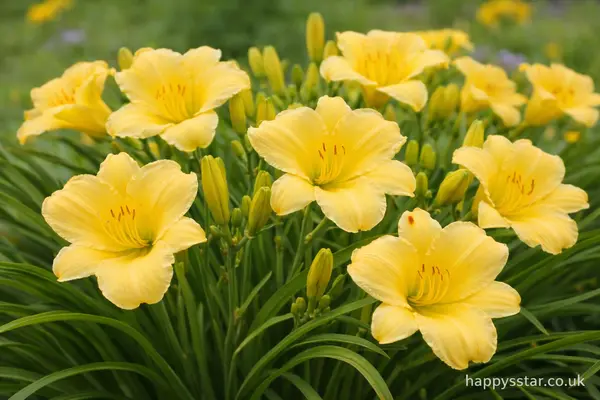
Introduction to happy returns daylily
The happy returns daylily is one of the most loved perennial flowers in home gardens across the United States. Known for its cheerful yellow blooms and reliable reblooming habit, this compact plant adds long-lasting color to flower beds, borders, and containers. If you want a low-maintenance perennial that delivers consistent beauty throughout the growing season, this variety is a smart choice.
- Introduction to happy returns daylily
- What is happy returns daylily?
- Botanical Background and Plant Characteristics
- Why Gardeners Love happy returns daylily
- Ideal Growing Conditions
- Planting happy returns daylily Correctly
- Watering and Fertilizing Tips
- Blooming Cycle and Reblooming Habit
- Comparison: happy returns daylily vs Other Daylily Varieties
- Landscaping Ideas and Design Uses
- Common Problems and How to Solve Them
- Dividing and Propagating the Plant
- Seasonal Care Guide
- Environmental Benefits and Pollinator Support
- Key Takeaways
- Frequently Asked Questions
- Conclusion
What is happy returns daylily?
Happy returns daylily is a compact, reblooming perennial (Hemerocallis) that produces soft lemon-yellow flowers from early summer into fall. It is prized for its long bloom period, drought tolerance, and easy care, making it popular among beginner and experienced gardeners alike.
Unlike many perennials that bloom once and fade, this plant keeps producing flowers for months. Its reliability and resilience make it ideal for busy gardeners who want stunning results without constant upkeep.
Botanical Background and Plant Characteristics
The happy returns daylily belongs to the genus Hemerocallis, which means “beauty for a day” in Greek. Each bloom typically lasts just one day, but the plant produces many buds over an extended period, ensuring continuous color.
Key characteristics include:
-
Soft lemon-yellow flowers
-
Compact size (about 12–18 inches tall)
-
Clump-forming growth habit
-
Grass-like green foliage
-
Extended reblooming season
Daylilies are not true lilies. According to the University of Minnesota Extension, they grow from fleshy roots rather than bulbs and are extremely adaptable to various soil conditions (https://extension.umn.edu).
This adaptability explains why the happy returns daylily performs well in different climates and garden settings.
Why Gardeners Love happy returns daylily
One of the biggest reasons gardeners choose the happy returns daylily is its dependability. It blooms earlier than many perennials and continues well into late summer, sometimes even early fall in mild climates.
Here’s why it stands out:
-
Long blooming season
-
Excellent cold hardiness (USDA zones 3–9)
-
Tolerates heat and humidity
-
Resistant to many common pests
-
Minimal fertilizing needs
The Missouri Botanical Garden highlights daylilies as durable landscape plants with high ornamental value (https://www.missouribotanicalgarden.org). This specific cultivar is especially appreciated for its consistent reblooming.
If you’re looking to create a vibrant yet simple outdoor space, plants like this can transform your garden into a relaxing retreat similar to the peaceful outdoor inspirations shared on lifestyle garden blogs.
Ideal Growing Conditions
The happy returns daylily thrives in full sun but can tolerate partial shade. For best flowering, aim for at least six hours of direct sunlight daily.
Ideal conditions include:
-
Well-drained soil
-
Moderate moisture
-
Neutral to slightly acidic pH
-
Good air circulation
Although it tolerates clay and sandy soils, proper drainage is essential. Standing water can damage the roots.
According to the USDA Natural Resources Conservation Service (https://plants.usda.gov), daylilies adapt to many soil types, making them suitable for diverse landscapes across the U.S.
Planting happy returns daylily Correctly
Proper planting ensures strong growth and better blooms. Early spring or early fall is the best time to plant.
Follow these steps:
-
Dig a hole twice as wide as the root system.
-
Form a small mound in the center.
-
Spread the roots evenly over the mound.
-
Cover with soil, keeping the crown just above soil level.
-
Water thoroughly.
Spacing plants 18–24 inches apart allows room for mature growth. Good spacing also improves airflow, reducing disease risk.
Adding compost during planting boosts root development and improves soil structure.
Watering and Fertilizing Tips
Once established, the happy returns daylily is moderately drought tolerant. However, regular watering during dry spells encourages better flowering.
Watering guidelines:
-
Keep soil evenly moist in the first year.
-
Reduce frequency once established.
-
Avoid overwatering.
Fertilizer needs are minimal. A balanced slow-release fertilizer in spring usually suffices. Overfeeding can lead to more leaves and fewer blooms.
Tip: Mulching around the plant helps retain moisture and control weeds.
Blooming Cycle and Reblooming Habit
Unlike traditional daylilies that bloom for a few weeks, the happy returns daylily is known for reblooming. It typically starts flowering in early summer and continues in waves.
Each bloom lasts one day, but multiple buds open daily, creating a continuous display.
Deadheading (removing spent flowers) can encourage additional blooms and keep the plant tidy. However, it is not strictly necessary for reblooming.
This extended bloom period makes it perfect for gardeners who want steady color without constantly replacing annual flowers.
Comparison: happy returns daylily vs Other Daylily Varieties
Not all daylilies perform the same way. Some bloom once, while others rebloom.
| Feature | happy returns daylily | Traditional Daylily |
|---|---|---|
| Bloom Duration | Early summer to fall | 3–4 weeks |
| Height | 12–18 inches | 18–36 inches |
| Maintenance | Low | Low |
| Reblooming | Yes | Usually No |
| Ideal Use | Borders, containers | Larger beds |
This comparison shows why reblooming varieties are preferred for smaller gardens and urban landscapes.
Landscaping Ideas and Design Uses
The happy returns daylily works beautifully in:
-
Border plantings
-
Cottage gardens
-
Rock gardens
-
Container arrangements
-
Pollinator gardens
Its compact size makes it ideal for edging pathways or lining driveways. Pair it with purple salvia or blue catmint for a striking color contrast.
For inspiration on creating calming garden aesthetics, many home décor and outdoor living platforms like happysstar.co.uk showcase creative landscaping ideas that complement perennial flowers.
Common Problems and How to Solve Them
Although hardy, the plant may face occasional issues:
-
Aphids
-
Spider mites
-
Leaf streak disease
-
Crown rot (in poorly drained soil)
Preventive measures include:
-
Proper spacing
-
Good drainage
-
Removing infected foliage
-
Avoiding overhead watering
Most problems are manageable without harsh chemicals. Healthy soil and correct planting significantly reduce risks.
Dividing and Propagating the Plant
Dividing the happy returns daylily every 3–5 years keeps it vigorous. Overcrowded clumps may bloom less.
To divide:
-
Dig up the clump in early spring or fall.
-
Separate roots gently.
-
Replant divisions immediately.
-
Water thoroughly.
Division not only rejuvenates the plant but also gives you new plants for free.
Seasonal Care Guide
Spring: Clean up old foliage and apply fertilizer.
Summer: Deadhead if desired and monitor watering.
Fall: Trim foliage after frost.
Winter: Minimal care needed; mulch in colder zones.
This simple seasonal routine keeps the plant healthy year after year.
Environmental Benefits and Pollinator Support
Daylilies attract bees and other pollinators. While not native everywhere, they provide nectar during peak blooming months.
Adding flowering perennials like this supports local biodiversity and creates a balanced garden ecosystem.
Key Takeaways
-
happy returns daylily is a compact reblooming perennial.
-
Produces lemon-yellow flowers from early summer to fall.
-
Low maintenance and drought tolerant.
-
Thrives in USDA zones 3–9.
-
Ideal for borders, containers, and small gardens.
-
Easy to divide and propagate.
Frequently Asked Questions
How tall does happy returns daylily grow?
It typically reaches 12–18 inches tall.
Does it bloom all summer?
Yes, it reblooms in cycles from early summer into fall.
Is it deer resistant?
Daylilies are somewhat deer resistant but not completely deer proof.
Can it grow in partial shade?
Yes, but full sun produces the best blooms.
When should I divide it?
Every 3–5 years in spring or fall.
Conclusion
The happy returns daylily is a reliable, cheerful perennial that delivers months of vibrant color with minimal effort. Its reblooming habit, compact size, and resilience make it perfect for beginners and seasoned gardeners alike. As sustainable gardening continues to grow in popularity, low-maintenance plants like this will remain a favorite for modern landscapes.
With proper planting, sunlight, and occasional division, this charming yellow bloomer will brighten your garden year after year.
Disclaimer: This article is for informational purposes only. All content is based on publicly available information and research.